October 20, 2026
Inspection and Testing Guide for Commercial Fire Protection Colorado, Including When to Confirm Schedules With the Local Fire Marshal or Authority Having Jurisdiction
By @frontrangefirealarms090
If you manage a commercial building in Colorado, inspection and testing rarely fail because someone forgot fire safety matters. More often, they fail because people assume the schedule is simpler than it is. A property team hears “annual inspection” and thinks that covers the whole building. Then the fire alarm vendor says one thing, the sprinkler contractor says another, the monitoring company asks for a test window, and the local fire official wants acceptance before final sign-off. That is where schedules start to slip.
In the Denver area, that confusion shows up across all kinds of occupancies, from small retail spaces to office buildings, warehouses, schools, and mixed-use commercial properties. A compliant fire protection program is not just one appointment on the calendar. It is a working rhythm of inspections, tests, records, permit coordination, and occasional conversations with the authority having jurisdiction, often called the AHJ.
For anyone responsible for commercial fire protection Colorado requirements, it helps to separate three different ideas. First, there are ongoing inspection, testing, and maintenance obligations tied to the system type. Second, there are municipal fire safety inspections of the building and site. Third, there are special milestones such as permits, plan review, acceptance testing, and final approval after installation, modification, or repair work. Those pieces overlap, but they are not the same thing.
The codes set the framework, but the local authority controls the practical path
At the national level, two standards form the backbone for much of this work. NFPA 72 governs fire alarm and signaling systems, including design, installation, inspection, testing, maintenance, initiation, notification, supervision, and emergency communications functions. NFPA 25 governs inspection, testing, and maintenance for water-based fire protection systems.
That matters because most commercial buildings are dealing with both sides of the equation. A property may need fire alarm monitoring Denver service and alarm testing under the framework of NFPA 72, while also needing sprinkler and related water-based work under NFPA 25. If a site has a pump, backflow arrangement, or specialized suppression equipment, the coordination can get more layered.
Then the local authority steps in. In Denver, enforcement authority sits with the Fire Code Official, Fire Marshal, and the Denver Fire Department Fire Prevention Division for code-related matters such as hazards, disabled life safety systems, and false alarms. Denver also states that commercial and institutional properties are inspected annually, with materials describing fire safety inspections as typically occurring about every 12 months. Those inspections can include exits, emergency lighting, fire-resistive separations, fire lanes, and records for fire safety systems. If deficiencies are found, an order notice for correction can follow.
That is why a national standard alone does not answer every scheduling question. The code may tell you what kind of testing or maintenance belongs in your program, but the local AHJ determines how approval, enforcement, and sign-off happen in the jurisdiction.
Why annual does not mean simple
A lot of owners and facility managers hear “annual fire safety inspections Denver” and assume the city inspection will serve as the annual review for every fire protection component in the building. It does not work that way.
The local inspection is broader. It may look at housekeeping, egress, emergency lighting, separations, access, fire lanes, and whether records for system inspections and tests are available. That review is important, but it is not a substitute for the underlying system-specific inspection, testing, and maintenance program.
A sprinkler system, for example, does not become fully covered just because the property had its annual municipal inspection. The same is true for a monitored alarm system. The city inspection may verify that records exist and may identify obvious issues, but the actual fire protection inspection and testing program still needs to be performed under the applicable standard and any local requirements.
I have seen this misunderstanding create avoidable problems near tenant turnover and certificate deadlines. A manager thinks the building is “good for the year” after one inspection, then learns that the fire alarm records are incomplete, a water-based system test was due on a different cycle, or a recent alteration never received final acceptance. None of that is dramatic until it delays occupancy, a final inspection, or insurance follow-up.
New installation, alterations, and repairs are where schedule mistakes get expensive
Routine inspection and testing are one category. Construction-related work is another.
Colorado law is clear that installation, modification, alteration, or repair of a fire suppression system generally cannot begin until required permits are obtained and the job has been registered, with working plans and hydraulic calculations reviewed and approved. That point is easy to overlook during fast-moving tenant improvements. A contractor may be ready to swap heads, reroute piping, or make a suppression change for a remodeled suite, but if the project needs permit review and approval, the schedule must reflect that reality.
Denver also requires permits for most construction, alteration, or repair work on private property. Its process includes fire protection engineering review, and the city notes that acceptance or approval is required before final sign-off of fire alarm and fire protection permits. In plain terms, if a project touches life safety systems, do not assume field completion equals project completion. It often does not.
This is where fire sprinkler installation Denver projects and fire suppression systems Denver work tend to run into timing trouble. The physical work may finish before the paperwork and acceptance path finish. If an owner schedules move-in, opening day, or final turnover based only on contractor completion, there is a real chance of a gap.
A practical rule is simple. Any time the work is more than ordinary inspection and maintenance, treat scheduling as a permit and approval issue, not just a service appointment.
When you should confirm schedules with the Fire Marshal or AHJ
Not every inspection appointment requires a call to the Fire Marshal. Plenty of recurring service work happens as part of a normal maintenance program. But there are situations where confirming the schedule with the local authority is the smart move, and in some cases the necessary one.
Here are the moments when that extra confirmation matters most:
- When a new system, alteration, or repair requires permits, plan review, or acceptance testing.
- When you are trying to line up final sign-off for a project or occupancy milestone.
- When a life safety system has been impaired, disabled, or is otherwise not in normal service.
- When your contractor tells you a fire department witness, approval, or acceptance is required.
- When scheduling may need to occur outside normal business hours or under special inspection arrangements.
That last point is easy to miss. Denver materials note that system acceptance testing and permits may involve coordination with the Fire Department, and that special inspections can occur outside normal business hours when needed. If your project is in a downtown high-rise, active healthcare setting, school, or occupied retail environment where shutdown windows are narrow, waiting too long to ask about timing can cost days or weeks.
The safest habit is to confirm early, before the job reaches the “we are ready tomorrow” stage.
What an organized commercial inspection program usually looks like
Even though each property is different, the strongest programs all share one trait: they separate ongoing maintenance from AHJ-driven events.
A clean workflow usually starts with the property keeping current records for its alarm, sprinkler, suppression, extinguisher, pump, and backflow related activity where applicable. If the building uses fire alarm monitoring Denver services, test coordination with the monitoring provider should be built into the schedule so signals are properly handled during testing. If the site has water-based protection, records tied to NFPA 25 type work need to be available. If the building recently had renovation work, permit documents, approvals, and acceptance status should be easy to locate.
When the annual municipal inspection comes around, records matter almost as much as hardware. Denver’s own materials indicate that inspectors may review test records for fire safety systems. A property team that can quickly produce organized documentation tends to move through inspections more smoothly than one searching through email chains and old service tickets.
This is especially true for larger campuses and multi-tenant buildings. One office tower may have a base building system, several tenant improvement permits over time, separate vendors for alarms and sprinklers, and additional kitchen or special suppression components. If nobody has one coherent inspection calendar, things drift apart.
The systems that usually require the most coordination
Some equipment categories create more scheduling friction than others, not because they are inherently harder, but because multiple parties are involved.
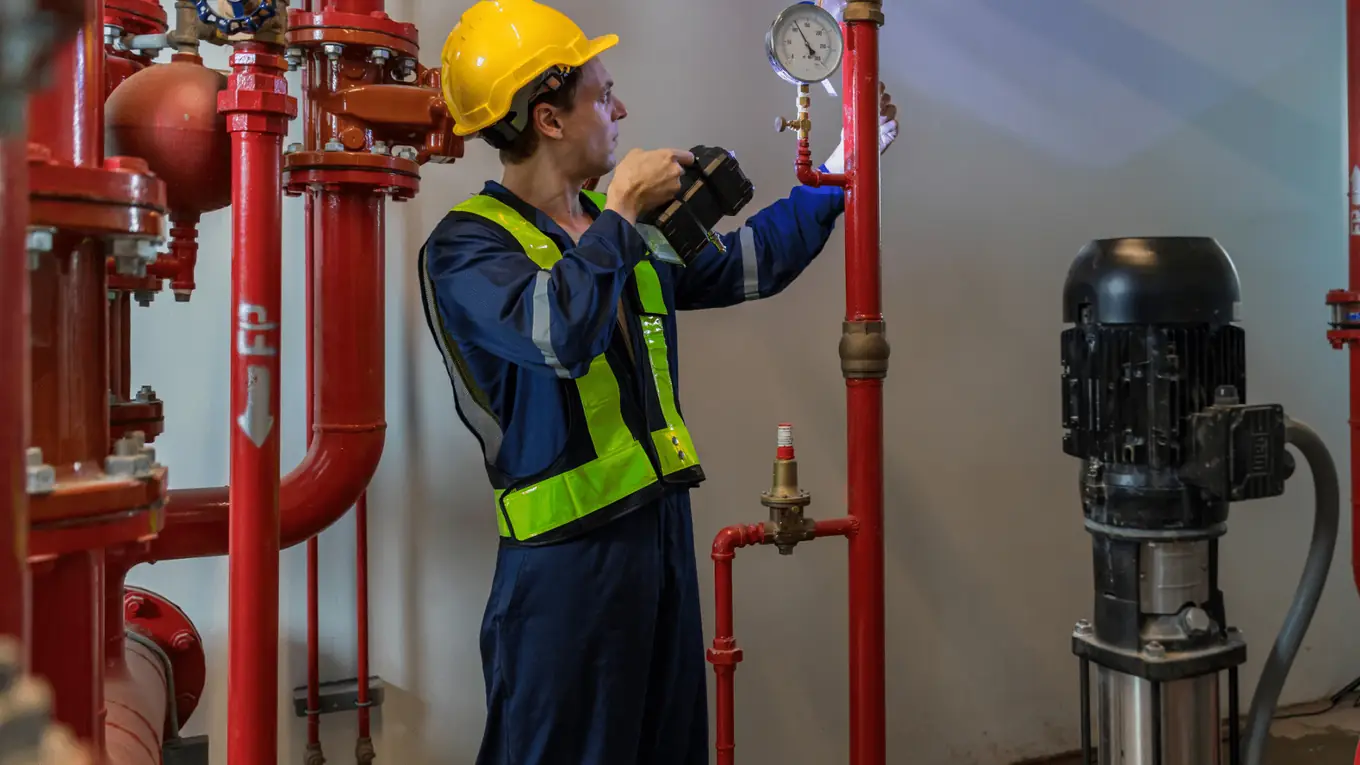
Fire alarm systems are a good example. The testing itself is governed by the broader NFPA 72 framework, but in practice the building may need the alarm contractor, the monitoring provider, building engineering staff, and sometimes local approval or acceptance depending on the reason for the test. For properties using fire alarm monitoring Denver service, simply forgetting to place the account on test can create false dispatch problems and extra cleanup afterward.
Water-based systems create another coordination point. Fire sprinkler installation Denver work may trigger plan review and acceptance obligations, while routine water-based inspection and testing fall under NFPA 25. If the building has a fire pump, fire pump inspection Denver scheduling may involve a more careful operational window because the test can affect building operations or require engineering staff to be present. If backflow inspection Denver services are needed as part of the broader program, those dates should not live in isolation. They should be aligned with the property’s compliance calendar so records are ready when requested.
For specialized suppression, the biggest scheduling mistakes usually happen during renovations. A kitchen line changes, a hazard area is reworked, or a suite changes use. Everyone is focused on opening dates, but the fire suppression systems Denver side gets squeezed to the end. That is exactly when confirming permit status, review status, and acceptance expectations with the AHJ can save a scramble.
Denver’s annual fire safety inspection is broader than many owners expect
The city’s annual inspection program is not just a glance at pull stations and sprinkler risers. Denver materials describe a broader safety review that can touch exits, emergency lighting, fire-resistive separations, fire lanes, and system records. That means a building can have service reports in hand and still get cited for unrelated conditions if doors, corridors, or access areas are not maintained.
This catches people by surprise in older buildings and in busy commercial spaces where operations slowly drift. A stockroom grows into an exit path. A tenant adds furniture that narrows a corridor. A fire lane becomes a convenient loading zone. Those are not testing failures in the narrow sense, but they are inspection failures in the broader life safety sense.
That is one reason the best fire safety inspections Denver preparation is not a once-a-year panic. It is regular housekeeping paired with an honest internal walk-through before the city arrives.
Records can make or break the inspection day
There is a practical side to compliance that does not get enough attention. On inspection day, the fastest way to create doubt is to have incomplete records or records that do not match the systems in the field.
For commercial fire protection Colorado programs, records should show what was inspected or tested, when it happened, and whether deficiencies were found and corrected. If there was recent construction or alteration work, it should also be clear whether the work reached acceptance or approval where required. Denver’s process specifically notes that acceptance or approval is required before final sign-off of fire alarm and fire protection permits. If that final approval is still open, do not assume nobody will notice.
I have seen buildings where the hardware looked fine, but the paperwork told a messy story. One report referenced a previous tenant name. Another listed devices no longer installed. A riser room had updated piping, but the file still held only pre-construction paperwork. Those mismatches do not inspire confidence, and they tend to lead to follow-up questions.
A modest amount of organization goes a long way here.
- Keep one current compliance file for each property, whether digital or physical.
- Separate routine service records from permit and acceptance documents.
- Verify that recent tenant improvement work is reflected in the records.
- Make sure staff knows where alarm, sprinkler, pump, and backflow documents are stored.
- Review open deficiencies before the annual inspection window arrives.
That is not glamorous work, but it is often the difference between a straightforward visit and a long correction cycle.
Code changes and timing matter more than many teams realize
Denver adopted new 2025 Building and Fire Codes effective December 31, 2025, and the city has stated that some projects may use either the 2025 or 2022 code set depending on submittal date. For owners, developers, and contractors, this is not trivia. It affects planning.
If a project is sitting near a code transition date, the applicable code path can influence review, submittal expectations, and timing. The lesson is not to memorize every code change. The lesson is to ask early which code set applies to your project and whether your planned schedule still fits the review path. That is another point where the local Fire Marshal or AHJ, or the relevant city review channels, may need to be part of the conversation.
This comes up often in fire system certification Colorado work tied to tenant improvements or major alterations. A team may assume the design basis is settled, only to realize late in the process that submittal timing affects which code set governs. Late surprises here are expensive because they do not just move a test date. They can force redesign, revised calculations, or repeat review.
A good vendor helps, but the owner still owns the timeline
In the Denver market, many property teams rely on outside specialists for fire protection Denver services, and that makes sense. Alarm contractors, sprinkler contractors, monitoring providers, and inspection firms each handle part of the system. But outsourcing the work does not outsource accountability.
The owner, manager, or designated facility lead still needs to know which events are ordinary recurring service and which events require city coordination, permit action, or formal acceptance. That distinction is what keeps a project from stalling at the finish line.
A useful way to think about vendor roles is this: your contractor can perform and document the technical work, but only the AHJ can provide the regulatory acceptance that may be required in a particular situation. When those lines get blurred, assumptions creep in. Someone says, “the job is done,” meaning the devices are installed. Someone else hears, “the permit is closed.” Those are not always the same statement.
Common trouble spots before inspections or acceptance tests
Most delays come from a handful of repeat issues, and they are not usually exotic failures. More often, they are coordination misses.
One is assuming the annual inspection covers open project work. It does not. Another is scheduling a fire alarm test without aligning with the monitoring provider. Another is forgetting that permit-required fire suppression work generally should not begin before approvals and registration steps are complete. I have also seen project teams overlook the need for final acceptance or approval before sign-off, particularly when multiple trades are involved and everyone is waiting on someone else.
The other trouble spot is timing around occupied buildings. A test or shutdown that seems simple on paper can become complicated in a business that cannot tolerate interruptions during normal hours. Denver materials note that special inspections can occur outside normal business hours when needed. If your property needs that kind of arrangement, ask about it early instead of treating it as a last-minute accommodation.
The practical mindset that keeps properties on track
The healthiest compliance programs are not built on fear of citations. They are built on steady https://preactionfire.com/fire-protection-thornton/ habits. Know what systems you have. Know which ones are governed by ongoing testing and maintenance standards such as NFPA 72 or NFPA 25. Know when your city performs broader annual inspections. And know when a job crosses the line from routine maintenance into permit, review, and acceptance territory.
For many Denver properties, that means treating fire extinguisher inspections Denver, fire pump inspection Denver, backflow inspection Denver, sprinkler service, and alarm service as related parts of one compliance calendar rather than isolated vendor tasks. It also means keeping a close eye on recent construction work, because that is where final approval issues often hide.
When in doubt, slow down just enough to verify the path with the local authority. A five-minute confirmation with the Fire Marshal’s office, Fire Prevention Division, or other AHJ contact can prevent a week of rescheduling. That is especially true when permits, acceptance tests, impaired systems, or occupancy deadlines are in play.
The goal is not merely to pass the next inspection. The goal is to have a building whose life safety systems, records, and approvals all tell the same story. When they do, inspections tend to go smoothly, projects close cleanly, and nobody is scrambling to explain a gap the day before opening.
Pre Action Fire, Inc
2921 W 38th Ave, Denver, CO 80211, United States
Phone: (303) 682-0113
Website: https://preactionfire.com
❧